Concrete Steps & Stairs
Build safe, durable steps that provide secure access and enhance your property for decades to come.
Why Quality Steps Matter
Steps are critical safety features on your property. Uneven treads, improper rise height, or unstable construction create serious fall hazards. Crumbling concrete, shifting stones, or rotting wood steps cause injuries and liability concerns. Yet many homeowners ignore deteriorating steps until someone gets hurt or the damage becomes severe.
Concrete steps provide the most reliable, long-lasting solution for accessing different levels on your property. They handle New Hampshire weather without rotting, warping, or shifting. Properly built concrete steps meet building codes for safe dimensions and provide stable footing in all conditions. You get peace of mind knowing your family and visitors can safely access your home and yard.
Benefits of Concrete Steps
- Safety and stability: Solid concrete construction eliminates wobbling, shifting, or structural failures that cause falls.
- Weather resistance: Concrete handles freeze-thaw cycles, rain, and temperature extremes without deteriorating like wood or composite materials.
- Code compliance: We build steps to meet building codes for rise, run, and safety requirements so they pass inspections.
- Low maintenance: Unlike wood steps that need painting and rot repair, concrete requires minimal upkeep over its lifetime.
- Long lifespan: Properly installed concrete steps last 30 to 50 years or more with basic maintenance.
We have replaced countless failing wood and stone steps throughout Merrimack with solid concrete construction. Homeowners tell us they wish they had done it years earlier instead of constantly repairing inadequate steps. Visit our homepage to see examples of steps we have built and learn more about our construction methods.
Proper Step Design and Dimensions
Step design is not a matter of personal preference. Building codes specify dimensions that create safe, comfortable stairs. These standards exist because improperly sized steps cause falls and injuries. We follow code requirements and best practices to build steps that feel natural to use and provide secure footing.
Rise and Run Requirements
Step rise is the vertical height between treads. Step run is the horizontal depth of each tread. Codes limit maximum rise and minimum run to prevent steps from being too steep or shallow. Consistent dimensions are critical. When each step has the same measurements, your foot knows what to expect. Inconsistent steps cause stumbles because your stride does not match the changing dimensions.
We calculate the total height change and divide it into equal rises that meet code. This determines how many steps you need. The run must provide enough tread depth for your foot to land securely. Steep steps with shallow treads feel dangerous and tire you out quickly. We design steps that feel comfortable and safe for everyone who uses them.
Width and Landing Considerations
Step width affects capacity and comfort. Wider steps feel more substantial and allow two people to pass. Front entrance steps typically measure at least 4 to 5 feet wide. Side and back steps can be narrower if space is limited. We match step width to the doorway or path they serve.
Landings provide resting spots on long stairways and transition areas at doorways. Building codes require landings at certain intervals on exterior stairs. The landing must be large enough to open your door without stepping down. We coordinate step and landing design with door swing to ensure safe, functional access. Similar attention to proper dimensions applies to all our concrete work including walkway installations.
Handrail Requirements
Handrails are required by code for exterior stairs with more than a certain number of steps. Even when not required, handrails improve safety for young children, elderly family members, and anyone carrying items. We install attachment points for handrails during step construction. This allows you to add railings immediately or later as needed.
Building Steps That Last
Concrete steps require substantial foundation work and precise forming. Shortcuts in construction lead to settling, cracking, and eventual failure. We use proven methods that create stable, durable steps that meet code requirements and perform reliably for decades.
Foundation and Footing
Steps need footings that extend below frost depth. Shallow footings heave during freeze-thaw cycles, causing steps to crack and separate from the house. We excavate to proper depth and pour footings wide enough to support the step load. The footing must be level and properly sized or steps will settle unevenly.
Steps attached to your house require proper connection to the foundation. This prevents separation that creates gaps where water enters and causes damage. Free-standing steps need adequate footings on both ends for stability. We evaluate site conditions and design appropriate foundations for each situation. This same foundation expertise applies when we handle foundation and slab work.
Forming and Reinforcement
Step forms must be strong enough to hold concrete weight without shifting. Forms also establish the finished dimensions, so accuracy is critical. We build forms that create consistent rise and run measurements for safe steps. Reinforcement goes in according to structural requirements to prevent cracking.
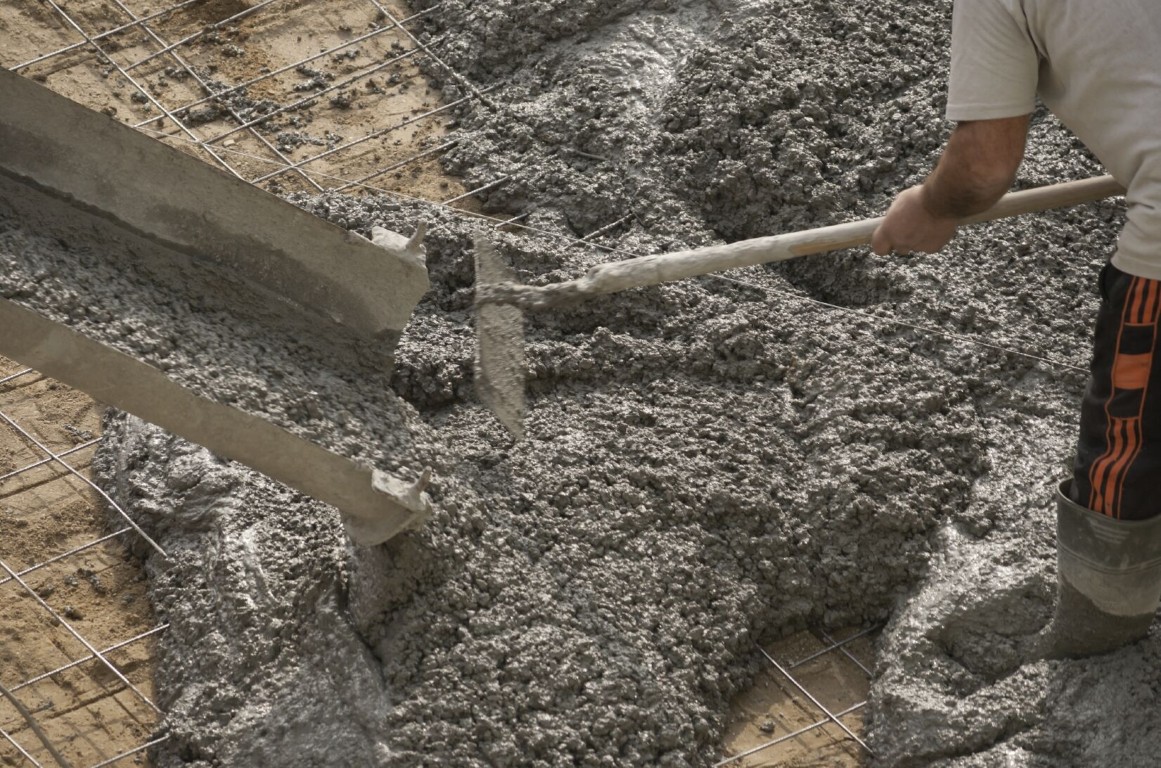
We pour steps as monolithic units when possible. This means the entire step structure is one piece without cold joints that can separate. Monolithic construction creates stronger, more durable steps than segmented construction. The concrete gets vibrated to remove air pockets and ensure complete filling of forms.
Finishing and Safety Features
Step surfaces need texture for traction in wet weather and winter conditions. We create slip-resistant finishes that provide grip without being uncomfortably rough. Edges get rounded slightly to prevent chipping and improve appearance. Control joints go in strategic locations to control cracking if it occurs.
Proper curing protects fresh concrete while it gains strength. We do not rush the curing process because premature use damages concrete and shortens its lifespan. You should wait at least a week before using new steps, longer in cold weather. This patience ensures your steps reach proper strength and durability.
Common Questions About Concrete Steps
Need New or Replacement Steps?
Get safe, code-compliant steps built to last. Contact us today for an evaluation and detailed estimate.